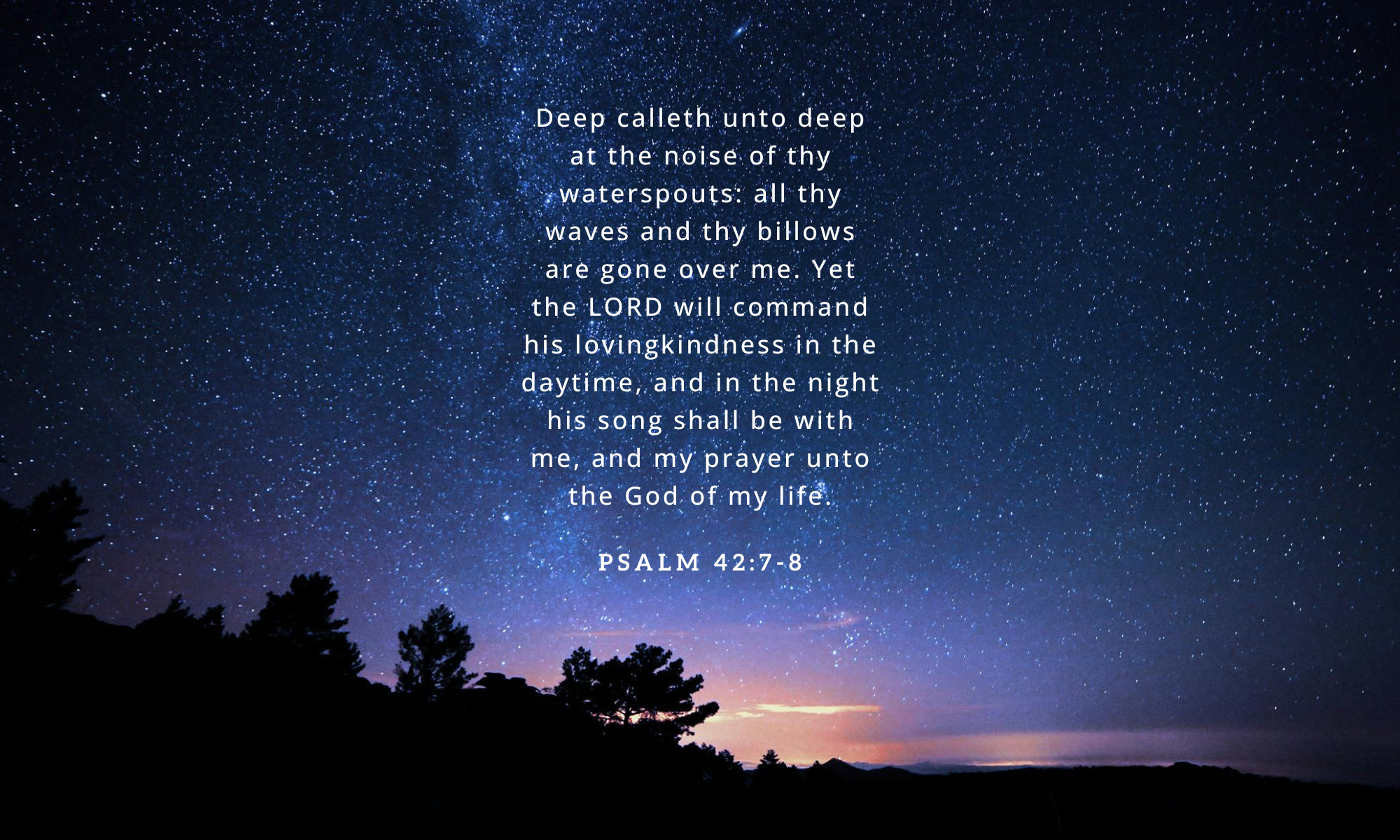


The unspoken things will break your heart, and rarely will those untouched by their confusing events know how to help someone else through them. I speak of mental disorders specifically, but every person is touched by some unspoken word that cannot be formed into a prayer request. Having spent more time that I ever imagined visiting loved ones in a psychiatric ward, I have learned that I know very little about how the human brain works. The once tidy picture of how life should work has been shattered into shards of reality. Our bodies are subject to the fall in the Garden, and death is working in every area of our life from the day we take our first breath. The reality is that children die of cancer, depression presses people to take their own lives, and life holds no guarantees. If this is a dark topic for you, I apologize. Sadly, there are those walking in and out of church circles silently suffering, unsure who can be trusted with the heavy burdens they carry daily.
As someone who grew up hearing from a pulpit that mental health professionals and psychiatric medications were to be avoided (Scripture was used to back this up, though it used Hebrew words that sounded like an English word as proof), it took a long time for me to realize those I loved needed more help than I could give. While prayer and the Bible are necessary and useful for anyone in any crisis, it does not solve every crisis. We accept this for diabetes and cancer; mental disorders should be no different. While doctors are human and are “practicing” medicine, they often know of things that have helped others. Seeking every medical avenue when a person is walking through depression, anxiety, bipolar, schizophrenia, PTSD, or any other struggle, labeled or unlabeled, is not unchristian.
Please do not misunderstand me. Bible studies and Biblical counseling can be incredibly helpful in the midst of such struggles. God’s truth gives hope, help, and healing in many areas of our lives, especially for eternity, but also for the temporal. Medications, therapy, and hospital stays only address symptoms of suffering, and do not usually find the root of the problem. However, these avenues could be lifesaving in the moment. Do not be afraid of them.
If you or someone you know is suicidal, please call 988 at any time of the day. This number can also be texted, and a trained helper will answer immediately.
If someone you love is in psychiatric distress, emergency rooms are equipped to deal with mental health crises. There is no shame in asking for help.
If your loved one refuses to go to the hospital, 911 can be called for a well-check. I have even had to go so far as to obtain a court order for a mandatory evaluation.
Psychiatric medications usually come with serious side effects, especially if they are stopped cold turkey. No one should stop taking their medications without consulting with their prescribing physician. From personal experience, I would advise anyone beginning medication to go to a mental health professional rather than a family doctor. Some medications are handed out with little understanding of their debilitating side effects. This is especially critical with teens because often the medications prescribed for anxiety or depression can trigger suicidal ideation. A psychiatrist will have specialized training in all psychiatric medications.
I know of two women who actively advocate for those who struggle with mental disorders and for their loved ones. Jennifer Skaw has a Biblically rooted podcast specifically addressing bipolar disorder. Shelly Hamilton has written and spoken in depth on her son’s journey with schizophrenia, which eventually resulted in him taking his own life. Shelly transparently discusses some of the wrong advice they received along the way but also reflects with gratitude on God’s presence and leading through it all.
Finally, if you know of someone dealing with a debilitating mental disorder, consider offering practical help. Offer to help them fold their laundry or bring a meal over for their family. Treat those walking through these kinds of struggles as if they had a physical health problem, because they do. Our bodies were created to function as a whole, and when one part of the body is sick, the whole body is sick.
Also, remember that your words can harm or help. Well-intentioned advice could lead to more suffering, so seek the Lord’s guidance before speaking. Prayer is always welcome, and so is godly encouragement that reminds of God’s care and hope.
I am always available to help in anyway I can. Please reach out to my email address with any questions or thoughts. Be blessed, my friends!
 His Song in the Night
Beautifully said! Thank you for sharing. That is so vitally important.
Get Outlook for iOShttps://aka.ms/o0ukef
LikeLiked by 1 person
My privilege. Thank you for your kind encouragement!
LikeLike